Analysis of the delegate feedback from the 2019 Researcher to Reader Conference shows very high levels of satisfaction with the event, with delegates rating both the sessions and the event very positively.
 Of the 70+ survey respondents, all but two ‘agreed’ or ‘strongly agreed’ that the Conference was relevant to them professionally and was a valuable use of their time.

Just one respondent disagreed that the event was ‘valuable’, but they acknowledged that this was because they only attended one day. And just one respondent strongly disagreed on both ‘value’ and ‘relevance’, although since they also said that they “go every year”, we are confident that this response was an error! (Get in touch if you want to change your response.) If we exclude these two anomalies, 100% of the respondents agreed that event was “relevant to me professionally” and “a valuable use of my time”.
The speaker presentations at the event also received consistently positive results, with most getting an average rating at least 3 out of 4, and all presentations getting at least 2.8, which is outstanding for any conference. Five of the 10 presentations got over 80% favourable ratings.

The Workshops and Panels received more mixed feedback, with the comments showing quite polarised opinions on many of these sessions. But two Workshops managed to achieve 100% positive ratings (Supporting Early-Career Scholarship and Levelling the Playing Field), which was excellent, with the former receiving an outstanding 3.8 average rating.
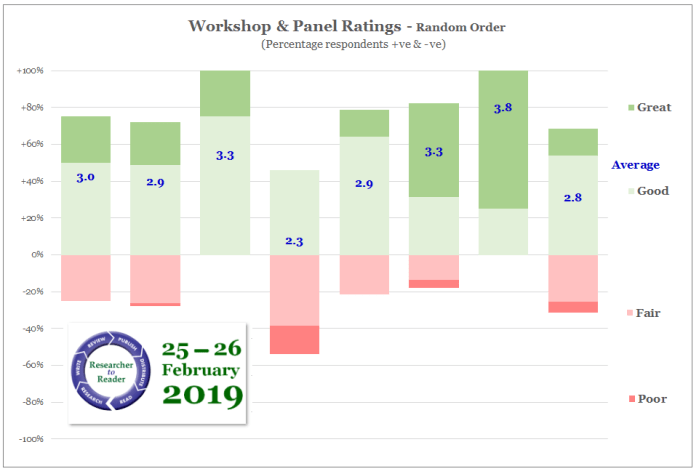 The organisation and venue also rated highly, with the event administration getting 100% positive ratings. The temperature of the rooms continued to be somewhat concerning , with 20% rating it Poor or Fair, despite careful monitoring and frequent checking of the audience comfort level – we will have to keep working on this.

Delegate comments were also very positive, with responses that included:
- Audience interaction was great.
- Altogether a well-run conference.
- Excellent, interesting to be so interactive.
- Good conference, I liked the mix of attendees.
- Brilliant for networking.
- A well-organised conference.
- Interesting conference
- Really enjoyed the programme, good variety and the workshops well facilitated.
- Great as always.
- Really good balance of subjects and speakers.
- Extremely well run.
- Passionate speakers; great topics.
- Excellent facilitators, fun and productive
- Great timing, layout and stage.
- Workshop format was good for energy levels.
- Very collaborative event.
- Brilliant hearing the perspective of librarians and researchers as well as publishing.
- Very nice venue.
- Great workshops. helped fuel the creative process and given me lots to take away.
Overall, the survey results showed very positive feedback for the event, and we also received many useful suggestions for improvements and innovations for 2020.
Mark Carden
14 April 2019

 We are delighted to announce that the Royal Society of Chemistry is returning as a Sponsor of the Researcher to Reader Conference. The RSC was a sponsor of the 2019 event, providing vital financial support for the international speakers on our programme. For R2R 2020, the Royal Society of Chemistry will be a Silver Sponsor, providing support for the event as a whole.
 We are delighted to announce that
  The Call for Papers for the
  The controversial debate on Sci-Hub that took place at the
  Unfortunately our email addresses @R2RConf.com have been down for a few days due to some strange WordPress/Google glitch. We hope that normal service will be resumed soon.
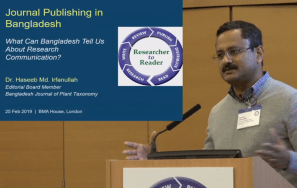 A presentation given at last month’s Researcher to Reader Conference, by Dr Haseeb Irfanullah, has been the basis of a guest post, ‘
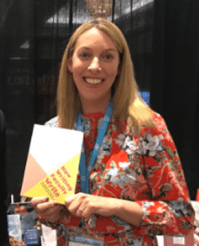 A presentation given at last month’s Researcher to Reader Conference, by Dr Christine Tulley, forms the basis of a guest blog post,
  One of the workshops at the recent
  Researcher to Reader Conference — London — 24-25 February 2026
You must be logged in to post a comment.